
Our Mission
The deteriorating state of the environment is an increasing concern. Growing interest in alternative models (e.g., degrowth, green growth, post-growth) challenges the dominant focus on economic growth and instead prioritises ecological sustainability, social justice, and well-being. However, transitioning to sustainable and post-growth futures remains difficult due to the deeply ingrained cultural belief that economic growth is synonymous with success and societal prosperity.
Governmental and international strategies often emphasise technological progress (e.g., digital and green twin transitions), but these approaches may have unintended environmental consequences, complicating sustainability efforts. While many solutions centre on technological innovation, achieving genuine sustainability also requires fundamental changes in mindsets and daily habit.
This is where the social sciences and humanities play a crucial role. Disciplines such as psychology, education, behavioural studies, political science, and communication studies offer valuable insights into how people think, learn, and behave. SustainERA integrates knowledge from these fields to address sustainability challenges from multiple perspectives.
Identifying barriers to sustainable practices is essential for creating effective solutions. Factors such as lack of knowledge, a weak sense of personal responsibility, time constraints, limited resources, political attitudes, and accessibility to eco-friendly options all influence behaviour. By addressing these obstacles, SustainERA seeks to design culturally and socially appropriate incentives that support lasting change.
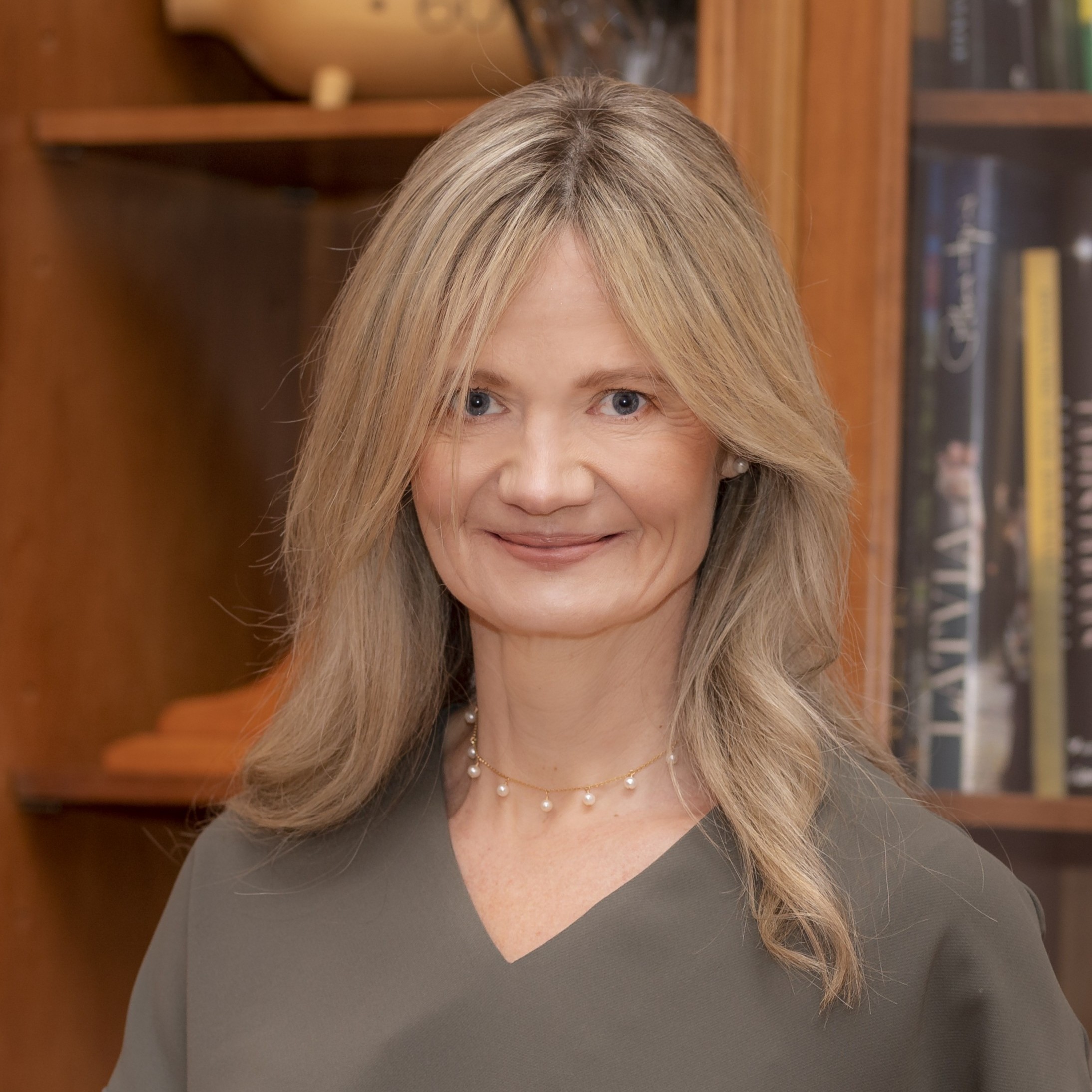
Our Project Directors

Collaborators

SA Rohetiiger (The Green Tiger Foundation)

Tasaarengu Eesti MTÜ (Degrowth Estonia)
Heaoluteaduste tippkeskus EstWELL (The Centre of Excellence for Well-being Sciences)

OeAD Wohnraumverwaltungs GmbH (OeAD student housing)